

Driving bookings with quality UX Design for Travel Websites
As technology continues to evolve, more and more travel companies are beginning to revaluate their digital presences. Whether through new website designs or updated integrations, businesses are now realising that the user experience their customers receive can have a massive impact on bookings. A positive user experience isn’t just a bonus in today’s digital world, it’s a necessity. In this article, we’ll be exploring the principles of UX design for travel websites. As well as their potential to change the way users book their breaks.

Boosting conversions with an intuitive booking system
An easy to use, yet powerful booking system is the cornerstone of any successful travel website. Whether your website specialises in rental properties or world class hotels, users must be able to book with ease. In addition, ensuring your travel website has the latest pricing and availability information guarantees a more transparent booking experience across the board.

Minimalist design that showcases hotels and properties
A clean, contemporary website design is crucial for a website aiming to provide an optimal user experience. When a site contains too many visual elements, users can be distracted or even overloaded. By prioritising important content like property descriptions and destination information, users are more likely to find navigation easier. Furthermore, ensuring interactive aspects of the website, like call to action buttons or search bars, are clearly highlighted will create a stronger hierarchy across each page.

Giving users added flexibility with detailed map searches
When users have multiple ways to search for their ideal property, their chances of booking rise significantly. Map searches allow users to visually explore options based on geographical location, as well as offering a more engaging and dynamic experience.

Responsive UX design for travel websites
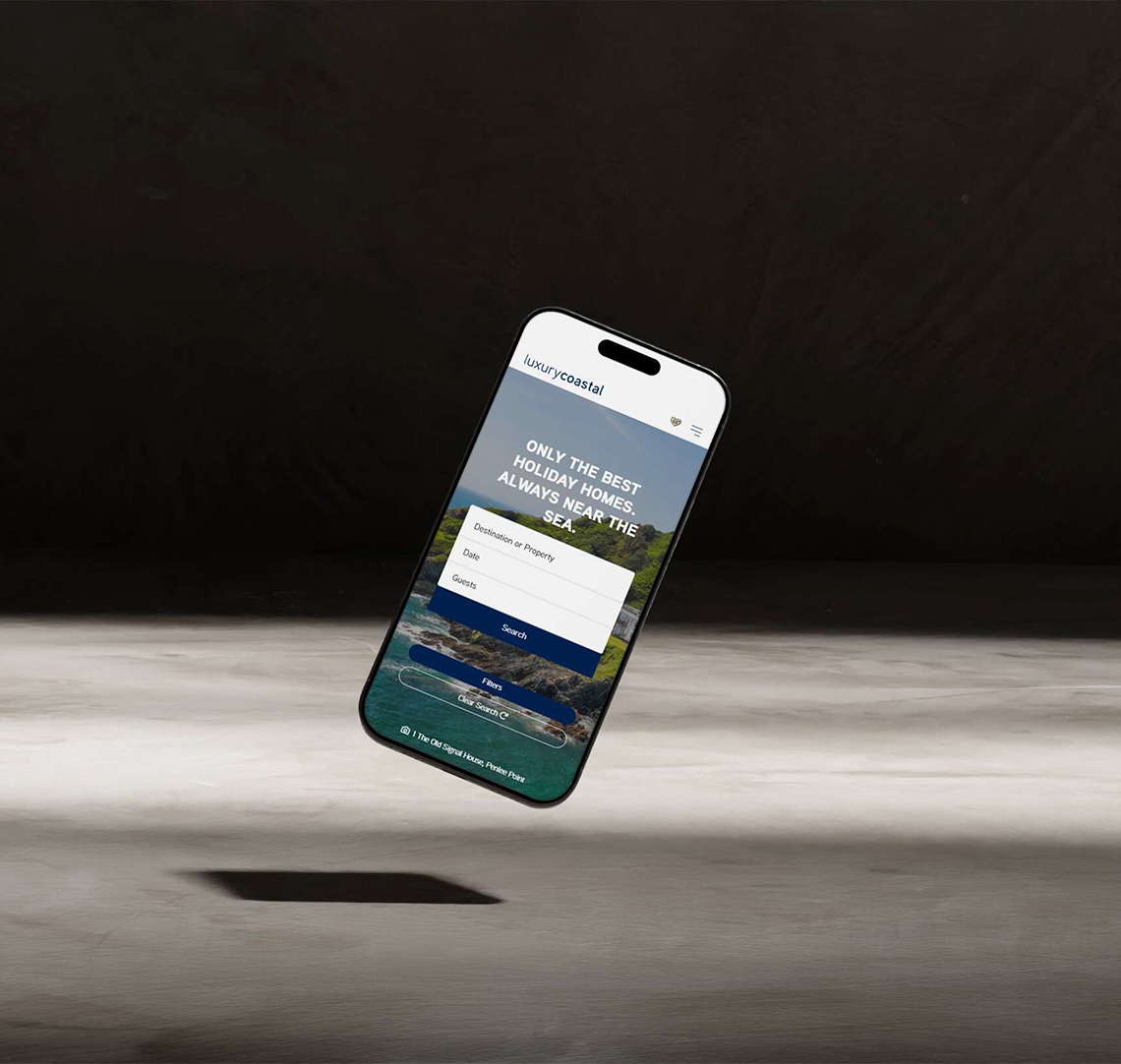
With so many travellers using their phones to browse the internet, a responsive website is non-negotiable. Responsive UX design for travel websites ensures a variety of benefits:
• Lower bounce rates
• A better SEO ranking on Google Search Engine
• Faster page speeds
• Higher conversion rates

Engaging imagery that perfectly showcases properties and locations
Images form an integral part of UX design for travel websites. Not only do high quality visuals add to a website’s aesthetic, they also give users realistic insights into how a property feels or the highlights of a particular location. By using curated images that convey the essence of the ultimate getaway, you inspire users to relate emotionally.

Curated categories for streamlined navigation
For larger travel websites that feature a variety of properties or hotels, separating them into different categories can make the search process significantly quicker. By having sections dedicated to pet-friendly properties or family favourites, you narrow down the selection for your users. Allowing for a more concentrated search experience that’s also quicker.

Wrapping up…
In short, quality UX design plays a pivotal role in the success of online travel websites. By focusing on integral principles like minimalist design, intuitive booking systems, and responsive layouts, businesses can create a seamless and enjoyable journey for their users.
Is your travel website falling behind your competitors? At gloversure, we’ve got over two decades of experience working with the travel and tourism sector. Crafting websites that elevate conversions and create unforgettable experiences for users. Find out more about how we can help you here.